 is your investment to the Victory and future of Ukraine


17.08.2026
The virtual asset market in Ukraine is already operating today — simply outside the rules. The question is not whether there will be regulation. The question is what it will look like and whether real businesses will be able to operate under it.
The NSSMC is preparing future regulation of the virtual asset market. At the same time, the NSSMC is holding a series of meetings with companies that are already working with Ukrainian users: where businesses see regulatory risks, which rules could create unnecessary barriers, and what needs to be taken into account in advance.
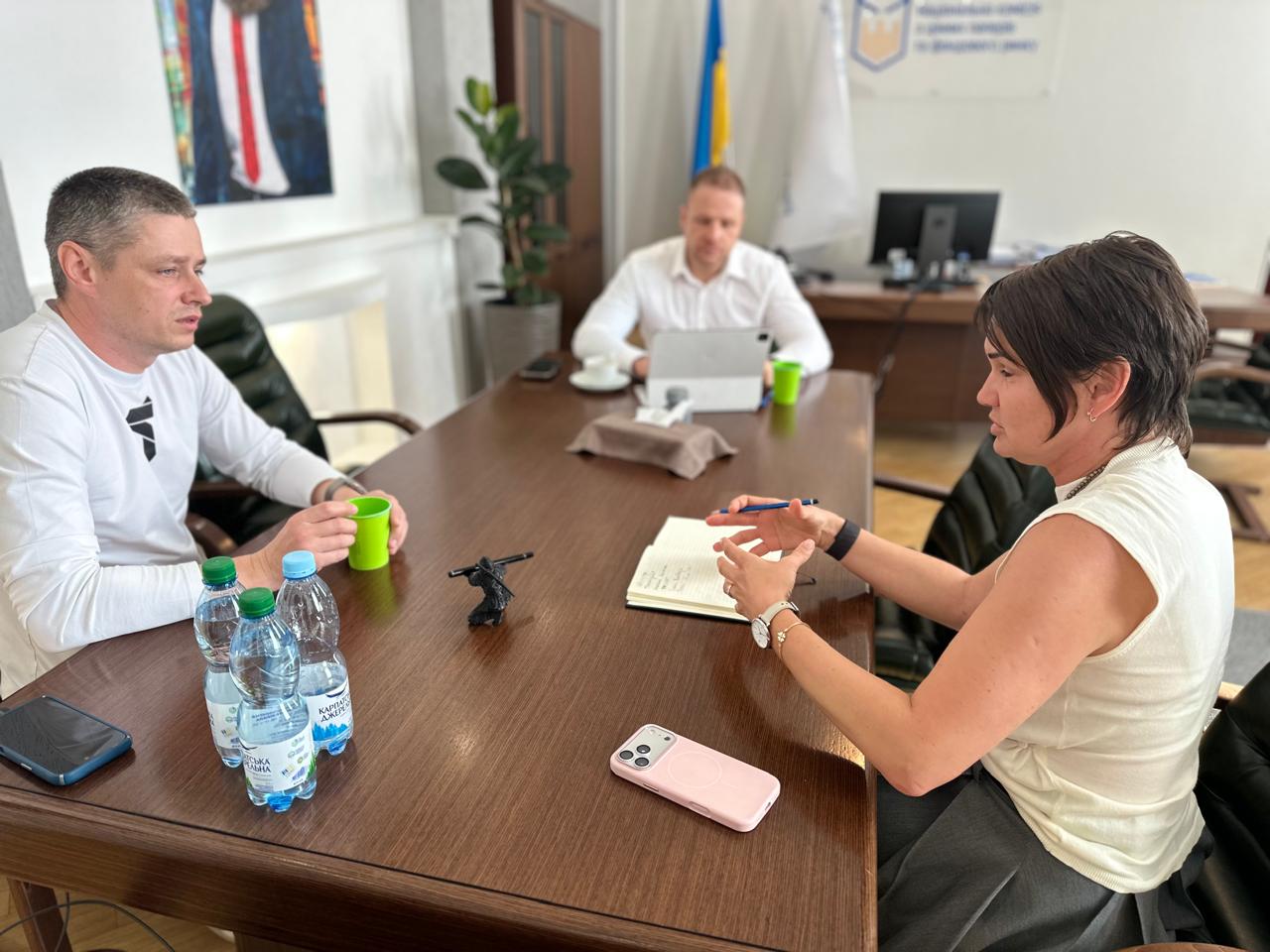
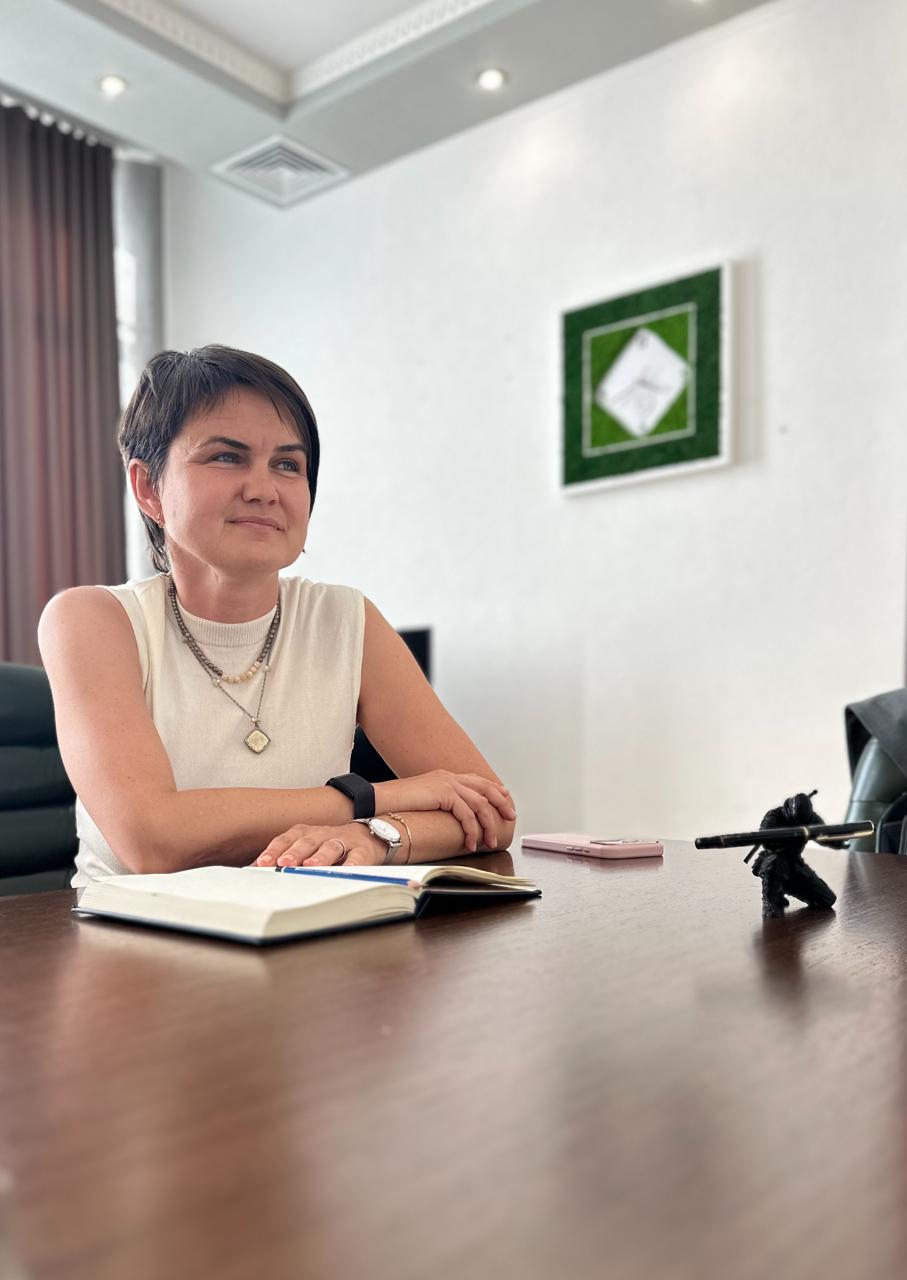
One such meeting was a working discussion between Oleksii Semeniuk, Chairman of the NSSMC, and Vadym Grusha, CEO of Trustee Plus. They discussed licensing, the classification of stablecoins, currency controls, and the operation of international crypto platforms. Below is the essence of each of these issues.
“We want to build the rules not in a vacuum. It is important for us to understand how they will work for a specific company and a specific user. That is why we talk to businesses, listen to their arguments, and look at practical cases. We may have different positions on certain issues — and that is normal. It is precisely through such dialogue that we can find solutions that will give the market an opportunity to develop while enabling the state to manage risks effectively.”
Oleksii Semeniuk, Chairman of the NSSMC.
1. One License or Several Permits
The first question is how to enter the market legally in the first place.
The approach of “one regulator — one license” was discussed in comparison with the practices of some EU countries, where a company’s activities may require separate permits: one for transactions involving crypto-assets and another for providing traditional financial services.
Here, the positions are aligned: authorization rules must be clear and predictable. A company planning to operate legally in Ukraine should understand in advance the regulator’s requirements, the procedure for obtaining a permit, and the subsequent rules for supervision.
2. Stablecoins: Where Is the Line Between EMT and ART?
The issue may seem terminological, but its consequences are entirely practical.
The entire regulatory regime governing an asset’s circulation depends on whether it is classified as an EMT or an ART. For the most widely used stablecoins, including USDT, this determination defines the requirements for the issuer, reserves, and service providers.
The common conclusion: the issue requires further legal consideration. Legislation should define classification criteria as clearly as possible so that different interpretations of the same asset do not create legal uncertainty for the market.
3. Currency Controls: Where the Line Should Be Drawn
This is an area where the positions of the state and businesses currently diverge most noticeably.
For the state, it remains crucial to prevent crypto-assets from being used as an uncontrolled channel for capital outflows.
For businesses, what is crucial is a clear algorithm: in which cases a transaction may be suspended, who makes the relevant Resolution, and what liability the provider will bear.
Both approaches are legitimate — and that is precisely why the practical mechanisms of currency controls have been identified as an area requiring further dialogue between regulators and the market.

4. Not Just Prohibiting, but Creating an Opportunity to Operate Legally
The fourth issue concerns the operation of international crypto platforms in Ukraine, including those that may simultaneously continue serving Russian clients.
The point under discussion is whether it is sufficient for the state to focus on restrictions and advertising of unlicensed services, or whether the primary task should be to create a clear mechanism under which an international platform can obtain authorization, meet Ukrainian requirements, and operate legally in our market.
International experience in localizing global crypto platforms was also considered, whereby a separate set of available products and restrictions is established for a specific jurisdiction.
The Law Is Only a Framework
After the adoption of legislation on virtual assets, a substantial body of secondary regulation will need to be developed: authorization of market participants, prudential requirements, supervision, and sanctions. This is where abstract provisions are transformed into concrete procedures — or fail to be.
Therefore, at the meeting, it was proposed to establish a working group involving market representatives that would be able to provide practical proposals for future regulation. The parties agreed to continue the working dialogue and involve businesses in the discussion of secondary legislation.
“The law is only a framework. The most difficult part begins after that: making sure that the rules actually work. And here we need the expertise of people who work in this market every day. The regulator must listen to businesses while at the same time maintaining a balance between market development, investor protection, and the interests of the state.”
Oleksii Semeniuk, Chairman of the NSSMC.
The NSSMC will continue meetings with representatives of businesses and the professional community. The goal is to gather different positions and practical proposals before the new rules come into force, rather than afterward.
Where positions coincide — move forward together. Where there are differences — seek solutions that will enable Ukraine to create a competitive, clear, and responsible virtual asset market.
Зв'язатися з нами